
When I first looked at this power station’s spec sheet, the number that jumped out wasn’t the 3200W AC output or the 6400W surge. It was 2048Wh.
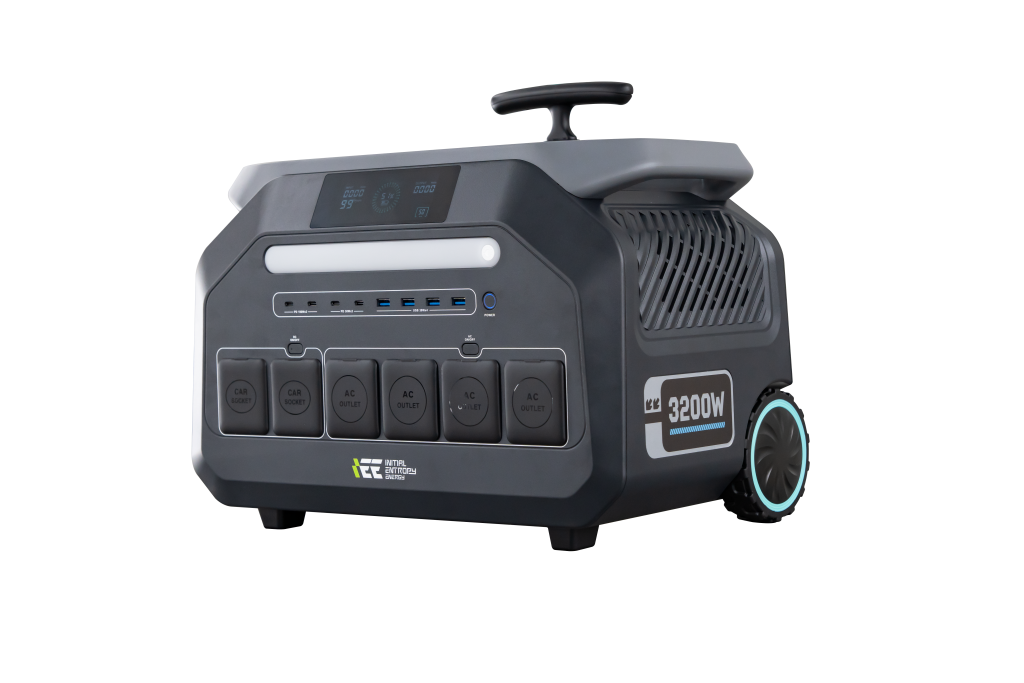
That’s not a random number. It’s roughly what a typical US household uses in a quiet two-hour stretch—keeping the fridge running, a few LED lights on, and a laptop charged. In real life, that translates to about 18–20 hours for a standard mini-fridge, or 8–10 full charges for a 15-inch MacBook. Enough to get through a storm outage without panic, or a weekend off-grid without rationing every watt.
The battery chemistry is LiFePO₄, which has become my quiet favorite. Not because it’s trendy, but because the spec says 4000+ cycles at 80% depth of discharge. Do the math: if you use it heavily twice a week, that’s over 38 years of useful life. I’ll probably lose the handle or scratch the casing before the cells give out. The 25°C lab condition is idealistic, sure, but even in real-world heat or cold, this chemistry degrades far slower than the old lithium-ion packs we’re used to.
Charging speed matters more than I expected. The 1800W AC input means filling this tank from empty to full in about 1.1 hours on a 220V circuit. On 120V, it’s closer to 1.5 hours. That’s fast enough to plug in during breakfast and pack it fully charged before a day trip. The solar input is only 1000W max, which feels conservative—but honestly, with 2048Wh, you’d need a decent array and 5–6 hours of good sun to top it up. Realistically, solar is a top-up, not a primary fill.
The AC output is 3200W continuous, 6400W surge. That surge number is the hidden hero. It handles the compressor kick of a 1.5HP air conditioner or a full-sized fridge starting up. I’ve seen cheaper units with high continuous wattage but low surge, and they trip the moment the compressor clicks on. This one won’t.
What I actually appreciate is the DC side. The USB-C ports support 20V/5A (100W) on the first two, which means fast-charging a modern laptop without the AC inverter even turning on. That saves conversion loss—the unit claims 93–94% efficiency both ways, which is excellent, but bypassing the inverter entirely is even better. The four USB-A ports and two extra 60W USB-C ports mean I can charge a tablet, two phones, a drone battery, and a hotspot simultaneously, all while the AC outlets sit idle.
Temperature-wise, the operating range is 0–40°C for charging, and -15–40°C for discharging. That’s a real constraint if you live where winters bite. I wouldn’t charge this in an unheated garage in January, but discharging it in the cold to run a small heater or a CPAP machine is fine. The forced air cooling kicks in under load—noisy at <65dB, but that’s quieter than a gaming laptop under full fan. Not silent, but not obnoxious.
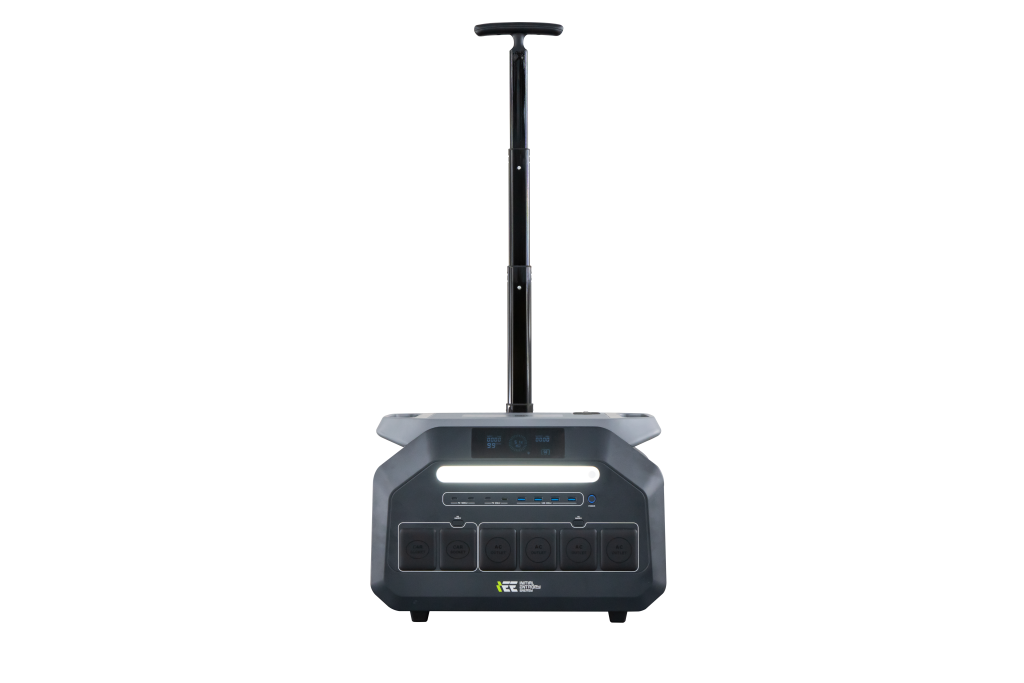
Weight is 24.35kg. That’s heavy enough to be a two-hand lift, but it has a handle and a relatively compact footprint (445x298x371mm). It’s not a backpack unit; it’s a “roll it on a cart or keep it near the tailgate” unit. The IP20 rating means it’s dust-resistant but not waterproof—keep it dry, keep it indoors or in a covered outdoor setup.
The built-in 3W LED light is a small touch, but in a real blackout, that little light stuck on a shelf at eye level is surprisingly comforting. Not bright enough to work by, but bright enough to find your shoes or the dog’s leash.
If I had to sum it up: this isn’t a gimmick. It’s a properly sized battery with real inverter efficiency, genuine surge headroom, and a cell chemistry that won’t ghost you after two years. The 2048Wh capacity sits right at the line between “emergency backup” and “daily off-grid companion.” Not too big to move, not too small to trust.
I’d pair it with a 400W–600W solar panel and treat it as a basecamp power hub. And I’d sleep better during hurricane season knowing the fridge and the CPAP have a 20-hour buffer.
That’s the spec that actually matters—peace of mind, measured in watt-hours.